

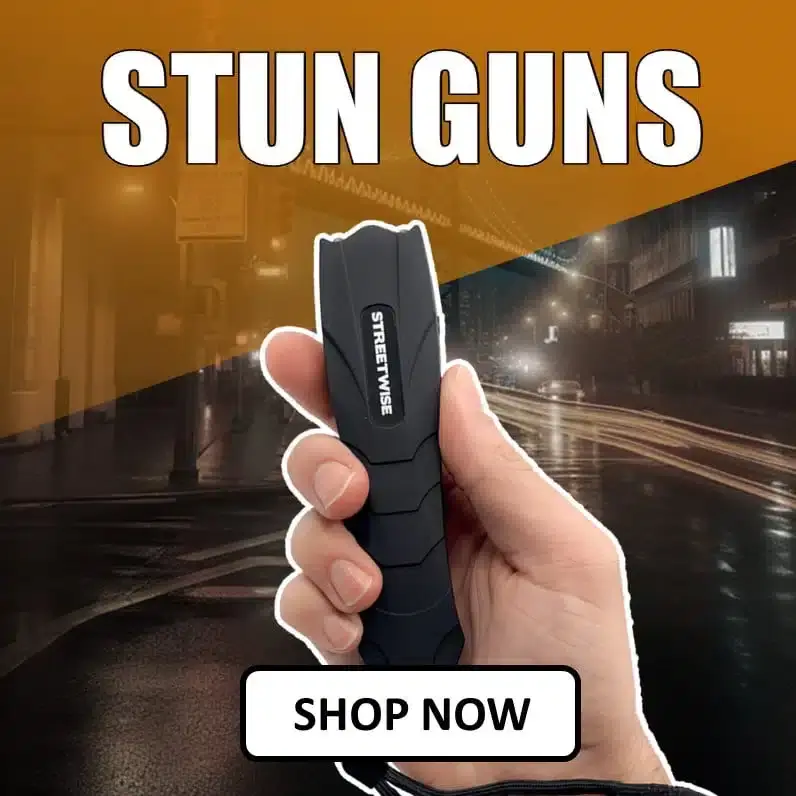



In today’s increasingly unpredictable world, personal safety has become a prime concern for many individuals. Among various self-defense tools available, stun guns have gained significant popularity due to their non-lethal nature and ease of use. However, before purchasing one, prospective buyers must navigate the complex legal landscape that governs stun gun ownership. This article outlines critical aspects of stun gun laws, helping you make informed decisions on personal protection.
What is a Stun Gun?
A stun gun is a handheld electroshock weapon designed to incapacitate an assailant temporarily by delivering a high-voltage electrical charge. By disrupting voluntary muscle control, these devices can provide a crucial window for users to escape dangerous situations. While often confused with Tasers, which can fire projectiles that deliver electric shocks from a distance, stun guns require direct contact with the attacker.
The Legal Framework
Stun gun laws vary significantly across different jurisdictions, influenced by factors such as local crime rates, cultural attitudes towards self-defense, and broader gun control policies. Here’s a look at some key considerations:
1. Legal Status
In the United States, stun guns are legal in most states. However, some states impose restrictions on their sale, use, or possession. For instance, states like Massachusetts and New York classify stun guns as weapons and require a license for ownership. Conversely, states such as Texas allow the purchase and carry of stun guns without a permit.
2. Age Restrictions
Many states impose age restrictions on stun gun ownership. Typically, you must be at least 18 years old to purchase a stun gun. Parental consent may be necessary in states where minors can own these devices. Always verify regulations in your specific jurisdiction to avoid legal repercussions.
3. Carrying Stun Guns
While possession laws may allow individuals to own stun guns, they also regulate how and where these devices can be carried. For instance, some states allow for open carry in public spaces, while others restrict carry in schools, government buildings, or sporting events. Always check local laws to determine where you can legally carry your stun gun.
State-by-State Regulations
To understand stun gun laws better, here’s a brief overview of regulations in key states:
- California: Legal without permits; prohibited in certain locations.
- New Jersey: Illegal to possess or carry stun guns.
- Florida: Legal to own and carry; some restrictions in specific areas.
- Hawaii: Legal for ownership with restrictions; permits required for carrying.
- Illinois: Legal to own; prohibited for felons.
Why You Should Research
Before purchasing a stun gun, thorough research is paramount. Understanding state-specific laws not only protects you from potential fines or jail time but also ensures that you fully comprehend your rights as a buyer and user.
Moreover, it’s essential to stay updated on changing laws. Public sentiment can shift, leading to new restrictions or mandates. Subscribing to local news outlets or legal forums can help you remain aware of pending legislation.
Purchasing a Stun Gun
If you’ve navigated the legal landscape and decided to purchase a stun gun, here are considerations to keep in mind:
1. Quality and Reliability
Investing in a reputable brand is crucial. Low-quality stun guns may fail to deliver the promised voltage or have ineffective battery life. Research customer reviews and quality assessments to choose a reliable model.
2. Size and Portability
Consider a stun gun’s size and weight. A portable device that fits comfortably in your hand or pocket can be more effective in a high-stress situation.
3. Training and Familiarization
Owning a stun gun is just the first step; understanding how to use it effectively is critical. Many manufacturers provide user manuals or instructional videos to familiarize you with operation and deployment.
Conclusion
Understanding stun gun laws is crucial for anyone considering purchasing this self-defense tool. By being aware of the legal restrictions in your state and conducting thorough research, you can make informed decisions about your personal safety. With the right knowledge and preparation, you can confidently navigate the nuances of stun gun ownership, ensuring you’re not only equipped to defend yourself but also compliant with the law.
Check Our Other Blogs
- StunGun – Your Trusted Source for Stun Guns, Laws, and Self-Defense Tips
- PepperSprayLaws – Your Trusted Resource for Pepper Spray Information
- StunGunLaws – Your Trusted Guide to Stun Gun Legality and Safety